Research Memo
European cab-over acceptance in the US market — Nikola Motors
Source: live page text at /research-memo/ (was password-protected, unlocked by user). Work for Nikola Motors.
Research Overview
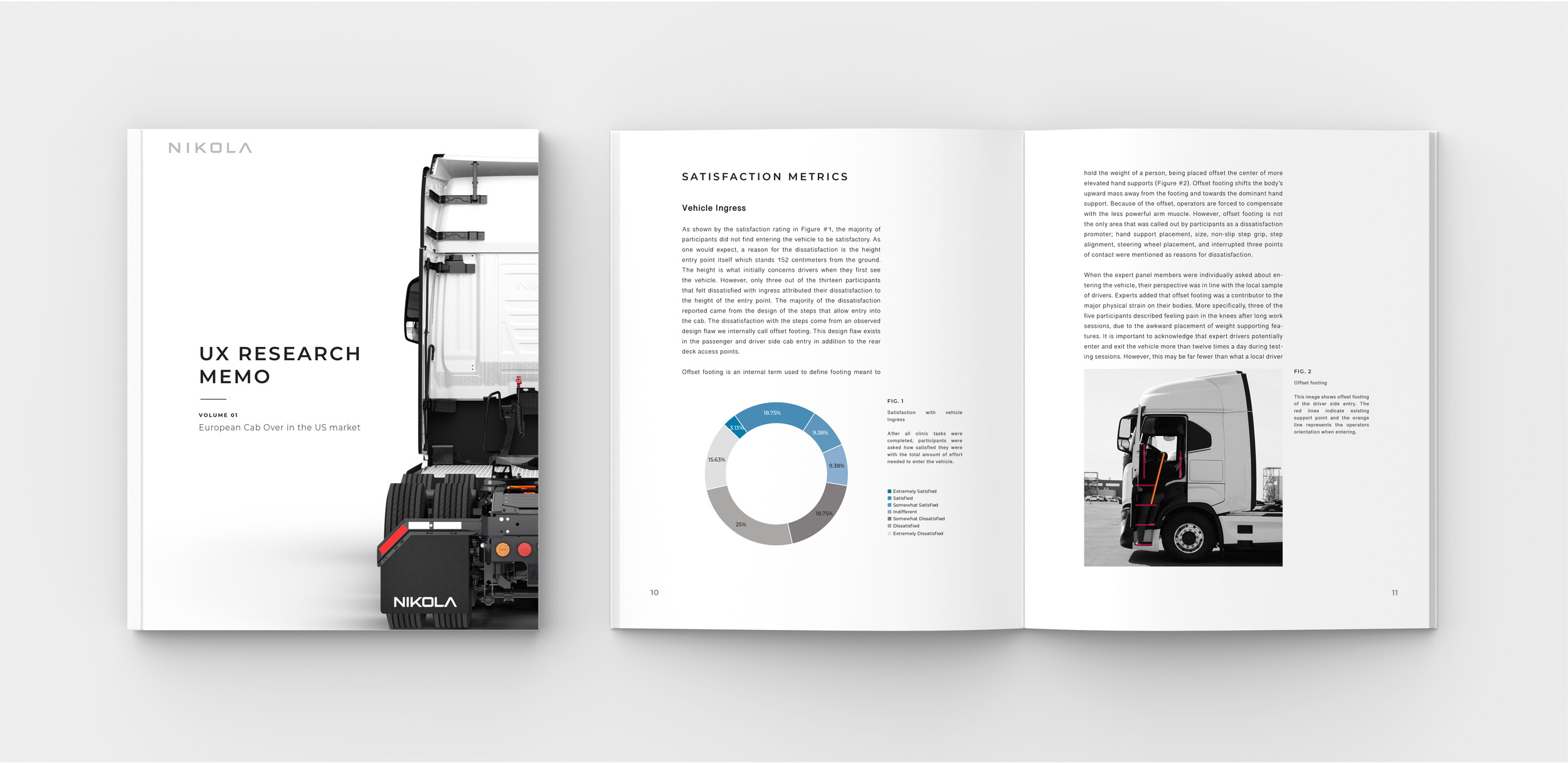
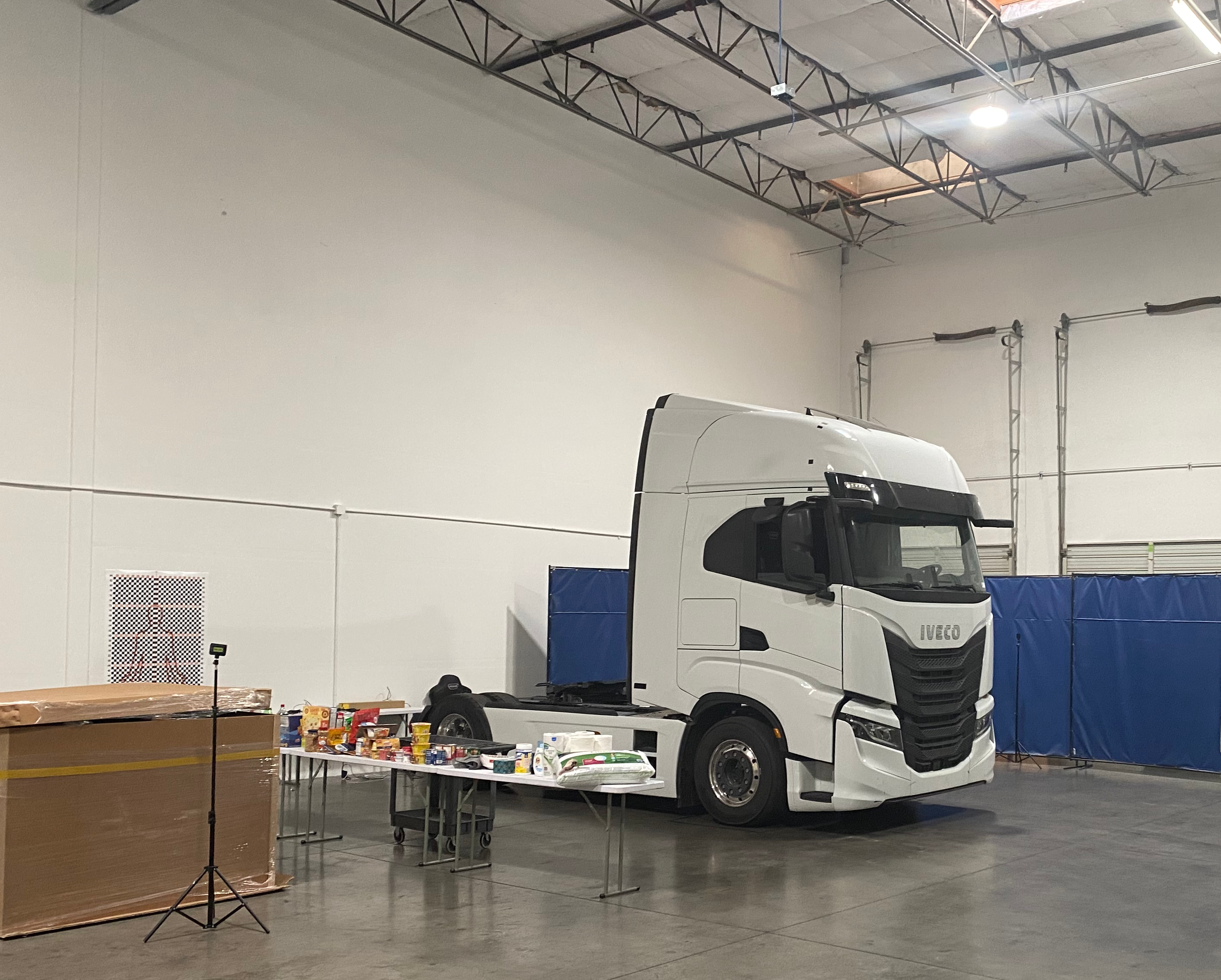
Initiated by Nikola Motors in late 2021. Examined driver perspectives on European cab-over truck designs for American markets. "16 days, 37 drivers, 2 trucks" — explored accessibility, usability, comfort, and applications in over-the-road and local delivery scenarios.
[Images: "MAg Layout" and "MAg Layout 1" — decorative layout graphics]
Methodology
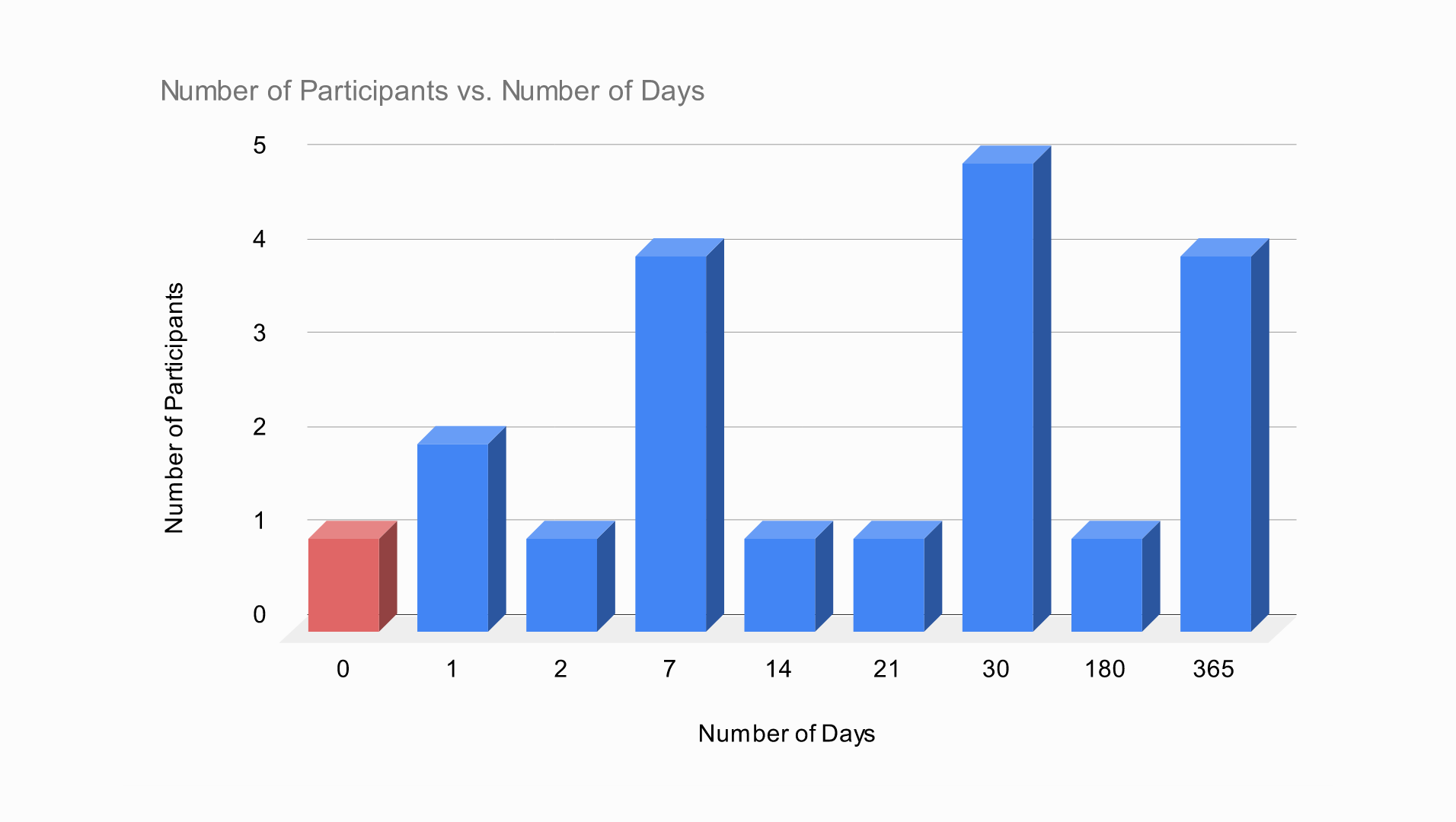
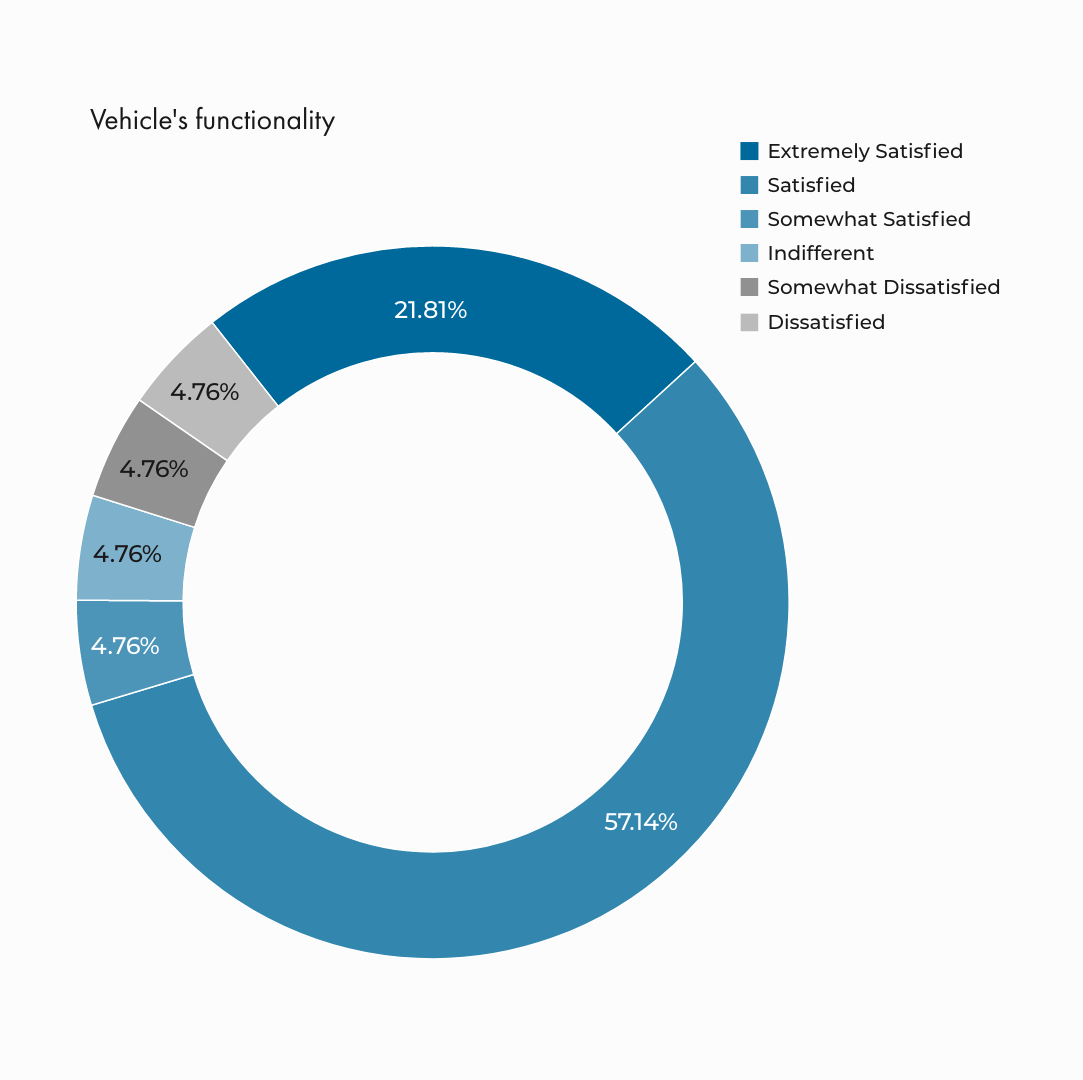
Two surveys: the Nikola Motor Driver Survey (Phoenix-area driver demographics) and the Cab-over Satisfaction Survey (feedback on vehicle features through moderated tasks using satisfaction scores).
[Images: "Clinic" / "Clinic2" — photographs of research participants interacting with vehicle features during testing, multi-angle camera documentation]
Data Collection & Analysis
Mixed-methods approach. Real-time feedback diverged from survey results regarding sleeper bunk comfort — surveys showed positive satisfaction, but qualitative responses revealed less enthusiasm.
[Image: "Likertquant" — 7-point Likert scale used to measure satisfaction levels]
The survey used display logic in Qualtrics. Negative responses triggered prompts requesting explanation; extreme satisfaction ratings prompted elaboration — a "qual-quant understanding" combining quantitative and qualitative insights.
Ingress/Egress Analysis
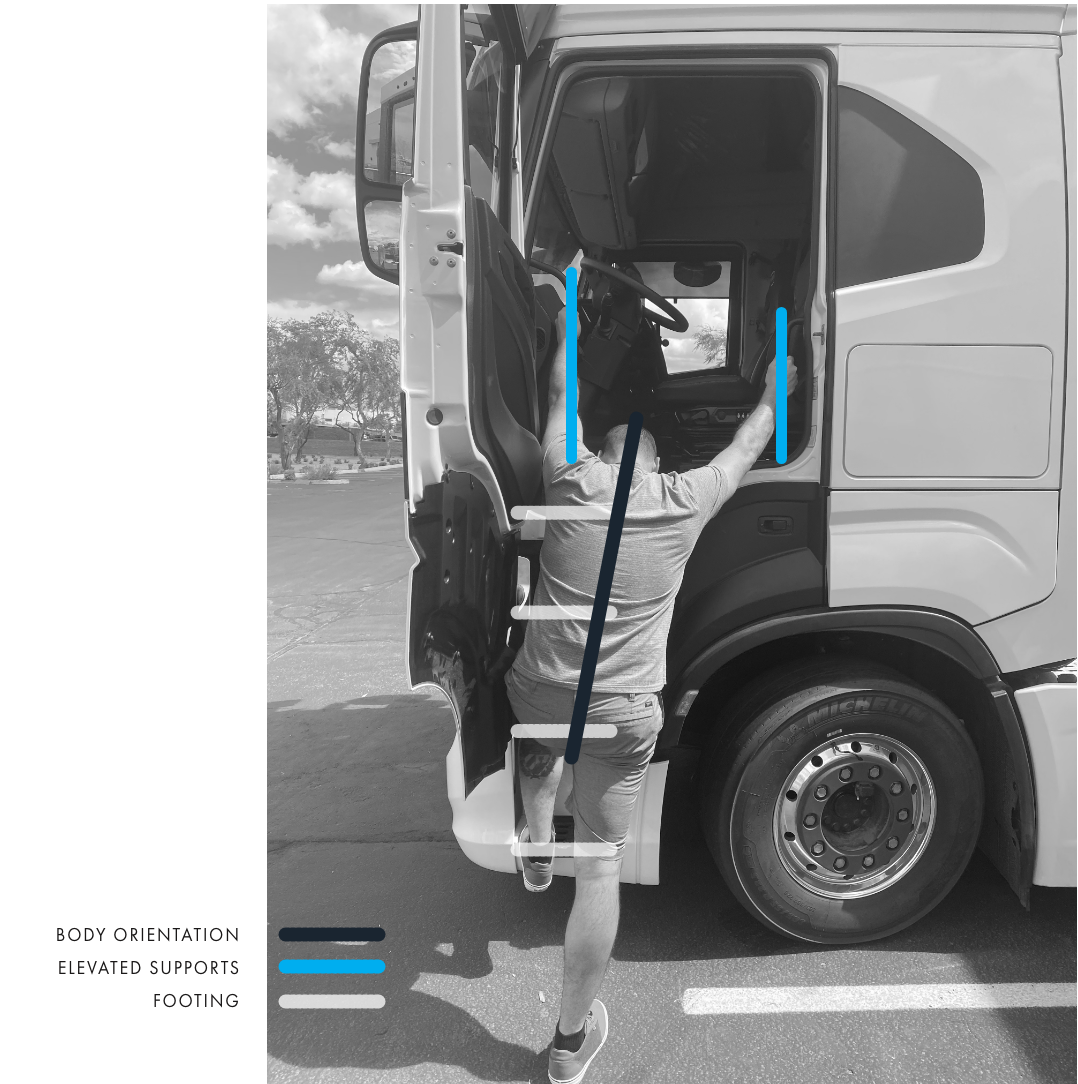
"Offset footing" refers to weight-supporting features positioned away from elevated hand supports, forcing operators to compensate with weaker arm muscles. Three of five participants reported knee pain from this design flaw.
[Image: "Offset footing" — photograph/diagram of the problematic foot placement mechanism]
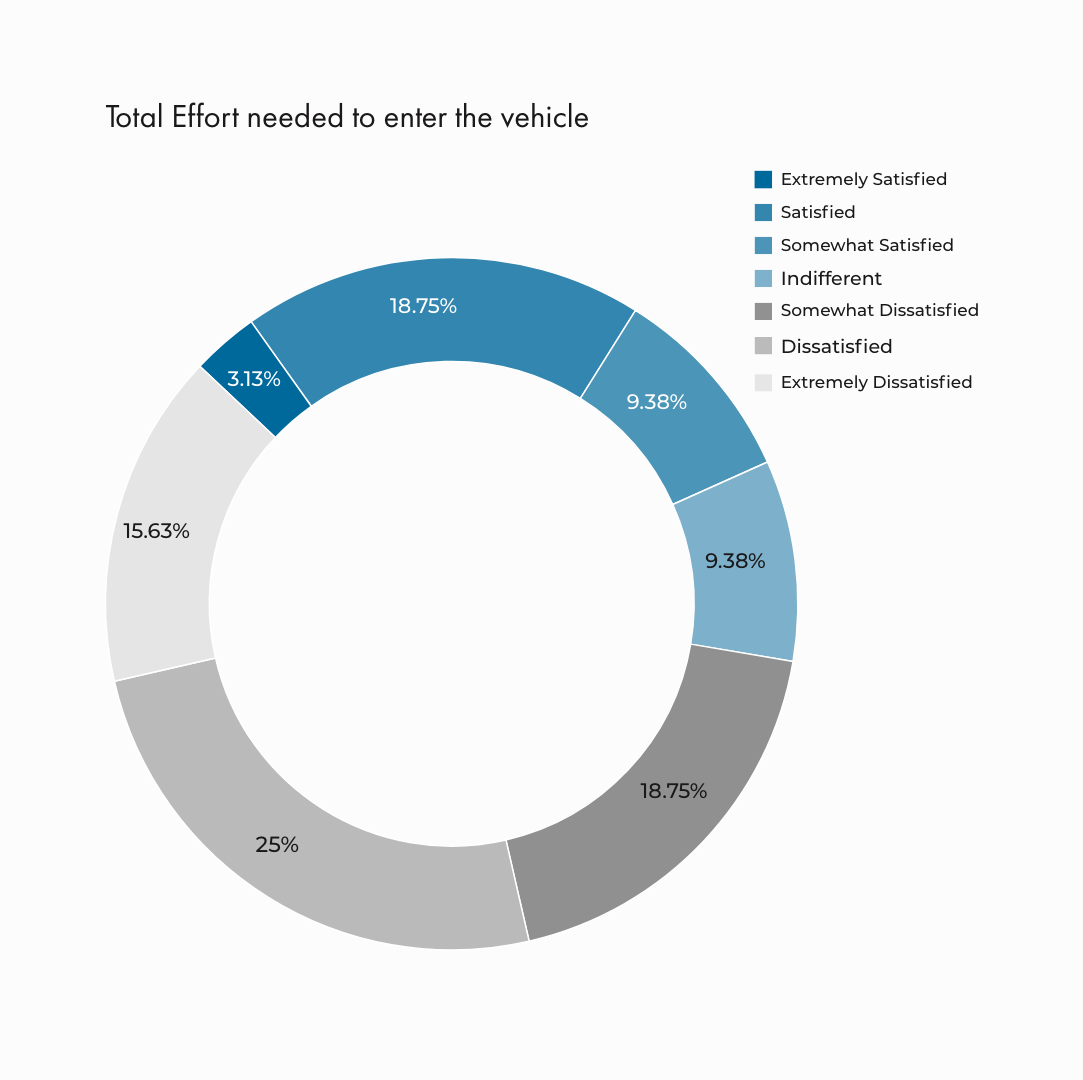
 [Image: Likert scale results graph for ingress/egress satisfaction]
Key Findings — Ingress: Participants spent 20–35 minutes exploring vehicles hands-on. Majority found ingress unsatisfactory due to offset footing, hand support placement, step size, grip quality, step alignment, steering wheel positioning, and interrupted three-point contact.
[Image: ingress satisfaction data graph]
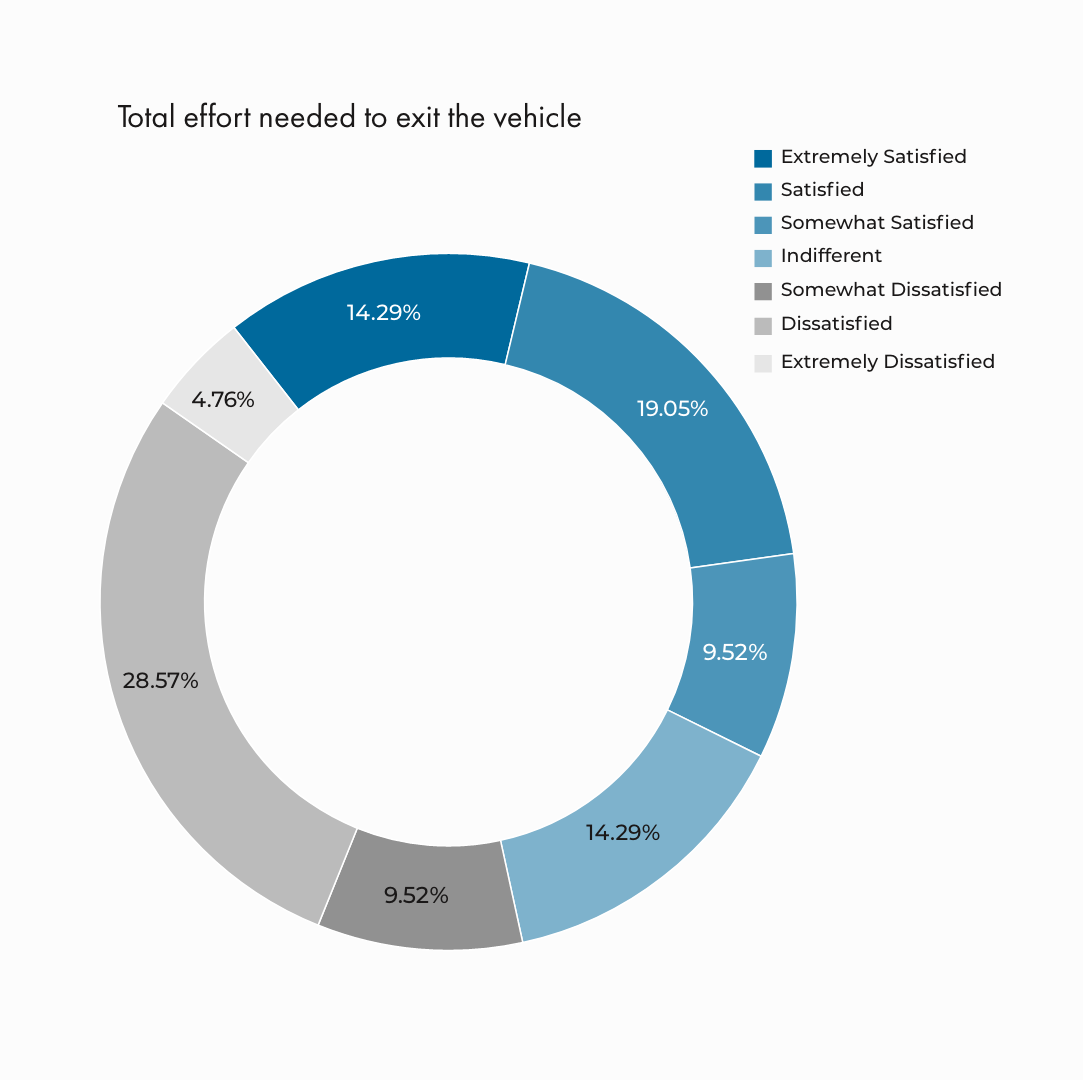
Key Findings — Egress: Vehicle egress presented athletic challenges; many drivers jumped rather than stepped, increasing injury risk. Egress design identified as a significant improvement opportunity.
[Image: egress satisfaction metrics chart]
Critical Insight
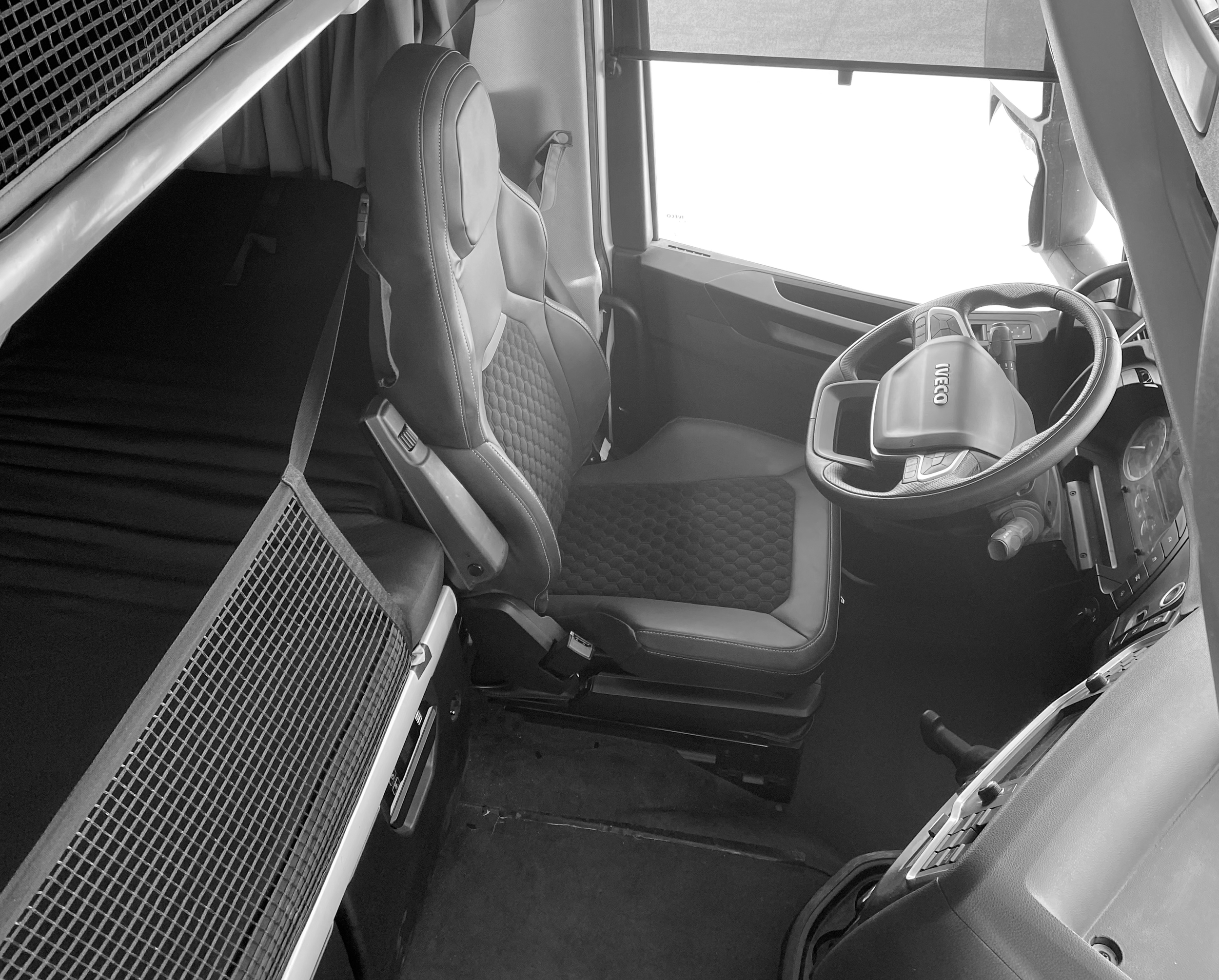
Despite mixed reactions, most drivers expressed willingness to spend overnight in the vehicle. Industry experts previously assumed available bed space would be insufficient — this finding was unexpected and promising for developing new product lines.
[Image: summary graph illustrating the overnight-stay finding]
Conclusion
The research validated certain assumptions while challenging industry beliefs about compact sleeping arrangements. Findings will inform future design improvements and potentially expand product offerings, ultimately enhancing driver experience and quality of life.
Additional photos